
Two practice areas. One research foundation.
Biruni Consulting operates across two distinct domains — both anchored in the same institutional research base and applied to environments where generic analysis routinely fails.



/ Practice Area A
Private Sector & Financial Inclusion
Financial systems analysis grounded in the real constraints of markets operating under social, regulatory, and systemic volatility and pressure. We examine access, liquidity, regulatory environment, and informal sector dynamics as integrated variables.
Engagements cover market-entry feasibility, financial sector diagnostics, and private sector development programming — each designed around verified on-the-ground conditions, not regional averages.
Market Intelligence: Value chain analysis and feasibility studies for high-impact sectors (Agriculture, Energy, Light Manufacturing).
Financial Systems Advisory: Technical assessments of the banking and non-banking sectors, with a focus on liquidity and stability.
Islamic Microfinance Support: Designing Shari'ah-compliant financing products and governance frameworks to revive micro-lending.
SME Operational Resilience: Technical training and capacity building for private enterprises to navigate the current economic environment.


/ Practice Area B
Strategic Research
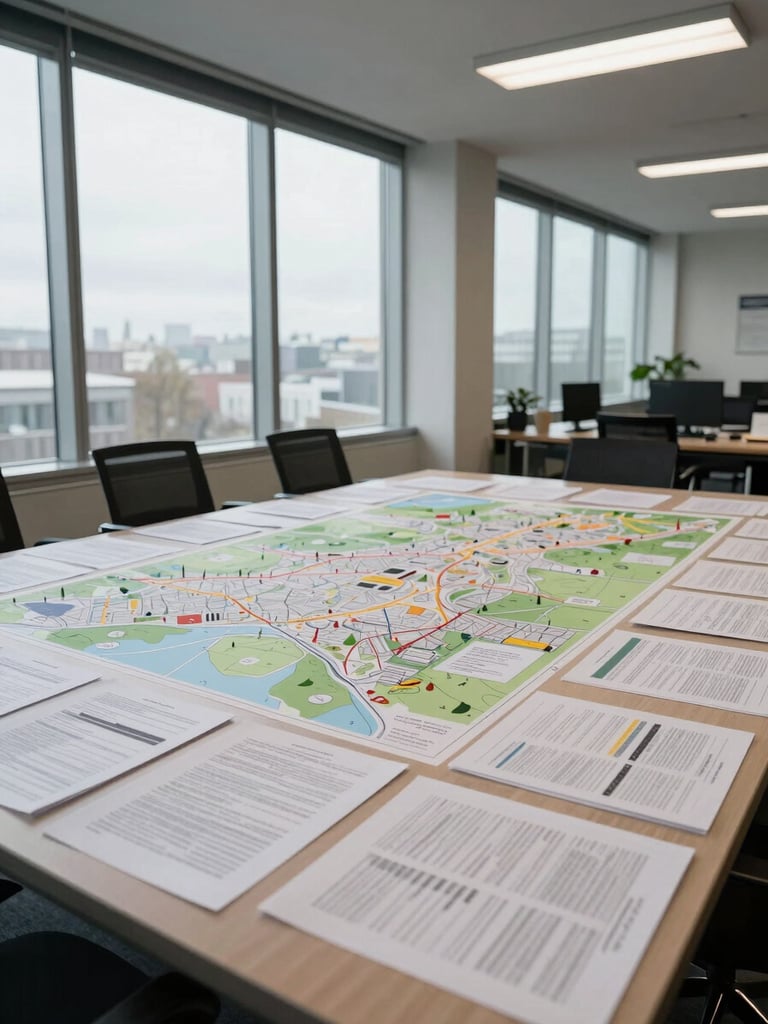
Field-verified data that map the distance between what a plan assumes and what the operating environment actually permits. We assess power dynamics, socio-economic issues, and institutional fragility before a strategy is committed.
Outputs include risk-adjusted program design, context-sensitive monitoring frameworks, stakeholder and resilience mapping built from primary field data — not secondhand assessments.
Socio-Economic Assessments: Country, sectoral and project-level analysis of power dynamics, market structure, and stakeholder incentives to inform policy and private sector strategy.
Vulnerability and Resilience Mapping: Micro-level provincial studies on poverty, rural livelihoods, and household vulnerability and resilience dynamics with specialized focus on economic reintegration and livelihood pathways for returnees and IDPs.
Project Evaluation & Learning: Mid-term and end-line evaluations, impact assessment, and lessons documentation to strengthen program outcomes and donor learning.
Strategic Advisory: Program design, aid effectiveness evaluation, and risk-mitigation frameworks for development partners.
Both areas draw from the same institutional research base.
The analysis and the advisory are never disconnected. If your mandate requires field-verified intelligence and context-specific strategy, we should speak.